Propane tank sizes, exchange and safety
Everything worth knowing before you order: every tank size we exchange, the choice between swapping an empty and buying a spare, and what to keep in mind about propane safety and its environmental benefits.
Order NowWhat size propane tank do you need?
Tank sizes range from portable 20 lb containers up to 100 lb. The right size depends on your home and on the number and size of the appliances using propane.

20 lb - Standard Grill Tank
Dimensions: 18 inches tall, 12 inches in diameter
Ideal for barbecue grills, patio heaters and other small outdoor appliances. This is the most common choice for residential outdoor cooking.

30 lb - Standard RV Tank
Dimensions: 24 inches tall, 12.5 inches in diameter
Commonly used in RVs for heating and cooking. It offers a compact size with greater capacity than a standard grill tank.

40 lb - Propane Tank
Dimensions: 29 inches tall, 12 inches in diameter
Suitable for larger heating projects or residential appliances that need more fuel, providing a longer running time.

100 lb - Propane Tank
Dimensions: 48 inches tall, 15 inches in diameter
Often used for home heating, hot water, dryers and fireplaces, or as a primary source in residential setups where natural gas is not available.

33.5 lb Forklift Tank - Aluminum
Dimensions: 27 inches tall, 12 inches in diameter
Designed specifically for forklifts. The lightweight aluminum tank is easy to handle and durable under industrial conditions.

33.5 lb Forklift Tank - Steel
Dimensions: 27 inches tall, 12 inches in diameter
Tailored for forklift use, this robust steel tank offers resilience and reliability in demanding environments.
43.5 lb Forklift Tank - Aluminum
Our largest forklift cylinder, in lightweight aluminum. Built for high-usage forklift fleets that need more runtime between exchanges than the 33.5 lb size offers.
Buy or exchange a propane tank
Most orders are exchanges. For the full walkthrough, see how propane tank exchange works.
Exchange a Tank
Exchange a Tank is for anyone who already owns a propane tank and wants to swap the empty for a freshly filled one of the same size.
You put the empty tank outside in the spot you named on your order, and the driver takes it away and leaves a full one in its place. There is no trip to a gas station, no tank cage to find, and no need to be home.
It is the fastest way to get propane back: you connect a filled tank straight away instead of waiting at a counter while yours is refilled.
Buy a Spare Tank
The Buy a Spare Tank option is for anyone who needs additional propane without exchanging an empty tank.
You get a fully filled, ready-to-use propane tank that you purchase outright, so you always have extra propane on hand.
It works well as a backup for your primary fuel source, as insurance against running out during peak usage, or simply to expand your propane storage capacity.
Propane Safety
Essential propane safety tips for grilling all year round.
DOs...
- Inspect tanks regularly for any signs of wear, rust or damage. Check for leaks by applying soapy water to connections and hoses; bubbles will form if there's a leak.
- Follow the manufacturer's instructions for connection, storage and usage to ensure proper handling and avoid accidents.
- Store propane tanks outdoors in a well-ventilated area, upright on a flat surface, away from direct sunlight and flammable materials.
- Keep tanks a safe distance from heat sources such as grills, fire pits and outdoor heaters.
DON'Ts...
- Leave tanks inside vehicles for prolonged periods, especially on hot days.
- Smoke or use open flames near propane tanks, which can ignite the gas.
- Attempt to repair tanks yourself — always consult a professional if your tank or its components need repair.
- Use rusty or damaged tanks — replace them, or have them inspected and certified by a professional before use.
- Neglect to check for gas odors — propane has a strong, distinctive smell added to it so that leaks can be detected.
Eco Friendly Benefits

Low Emissions
Propane burns cleaner than many other fossil fuels, producing fewer pollutants and greenhouse gases.

Energy Efficiency
Propane appliances are generally more energy-efficient than their electric counterparts.

Sustainability
Propane uses resources that might otherwise be wasted, and it can be integrated into sustainable energy practices.
Reduced Carbon Footprint
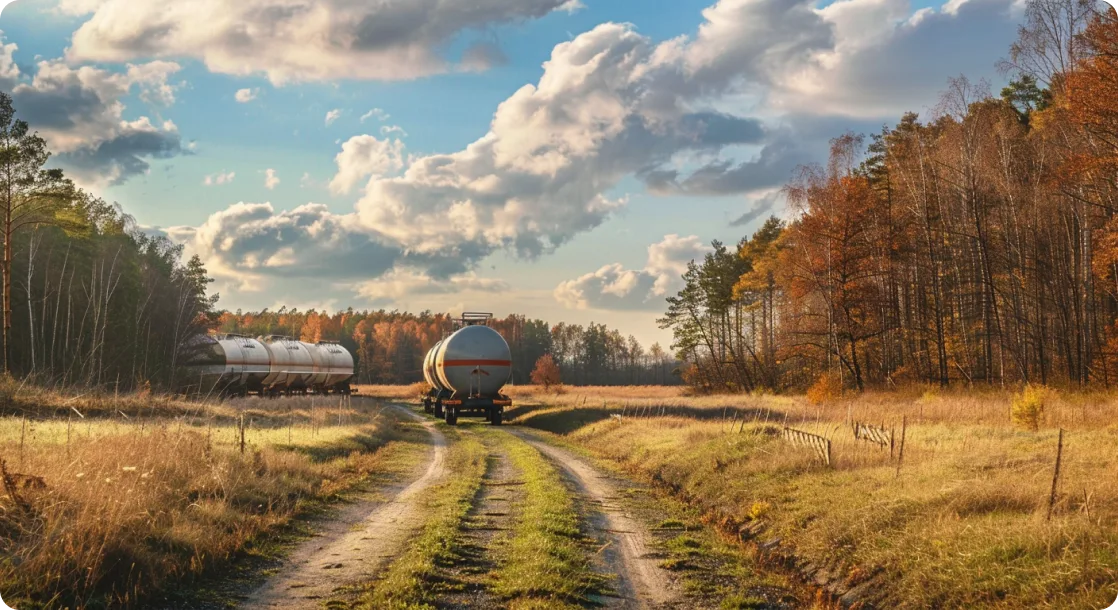
Propane offers a significant reduction in carbon emissions compared to other fossil fuels like gasoline and diesel.
That makes it an attractive option for heating and power in off-grid and rural areas, contributing to lower overall carbon footprints and helping meet environmental conservation goals.
Versatility and Scalability
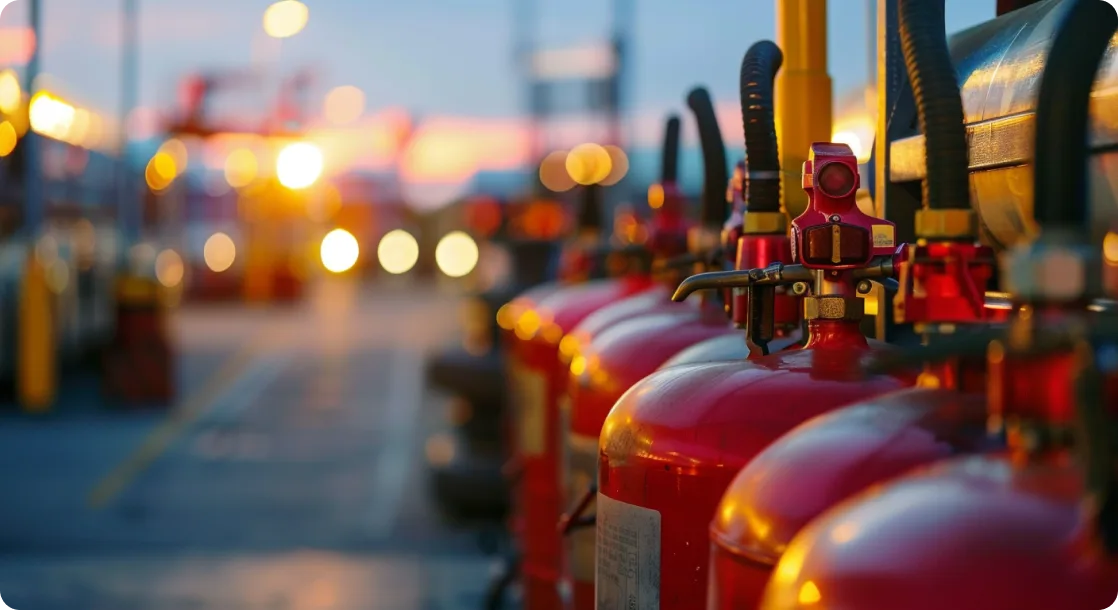
Propane can be used in a variety of applications, from residential heating and cooking to fuelling buses and farm equipment. That versatility allows it to replace more pollutive fuels across multiple sectors.
Propane's infrastructure is also scalable, which makes it easier to expand supply systems and supports broader adoption of cleaner fuel technology across different geographies.
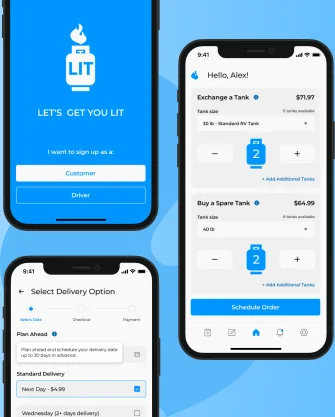
Download Lit
Available on iOS and Android.